2026: Let's ADD to the CHURCH
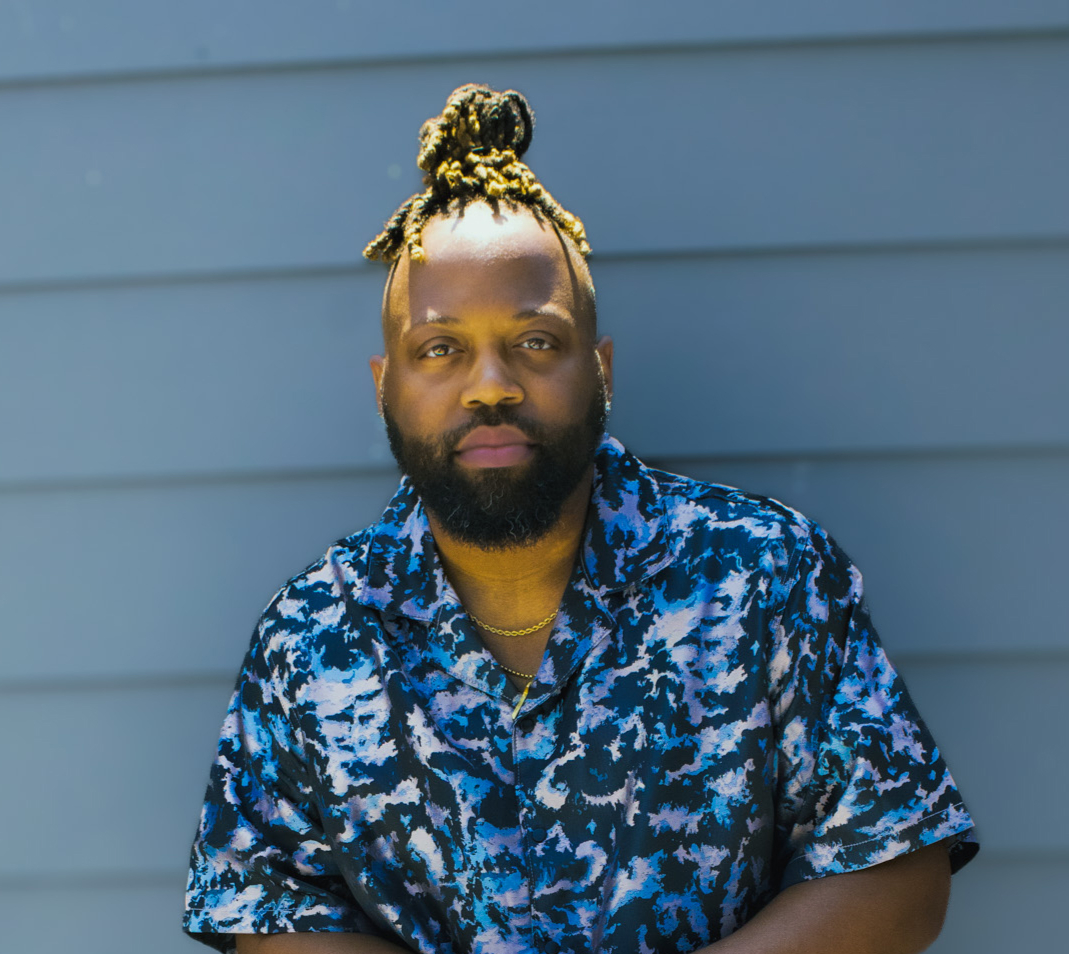
ADD: Automations + Ai. Discipleship. Discipline + Development.

January 1, 2026 marks a personal milestone for me. Today is day one of a transition I have been carrying for years.
For the last eight years, I have built, stretched, learned, failed forward, and grown through entrepreneurship. Going into year nine, I am fully owning what I have honestly tried to keep on the side for too long: The Church Collection.
This is not just a rebrand. It is a refocus.
I have always felt called to be a resource for pastors and ministries, not just with ideas, but with the strategies, systems, and structure that help carry the weight of what God has assigned. Because calling is real, but so is overload. Vision is powerful, but so is burnout. Anointing matters, but so does execution. So this blog becomes one of the resources. One of the hubs. One of the places we can talk plainly, build wisely, and move with intention.
Church Conversations
Now, with that being said. I would like to welcome you to Church Conversations, a space I am creating to have real dialogue with the church, not just talk about the church.
This is not content for clicks. This is not commentary like we are reviewing a movie. When we speak about “the church,” we are speaking about people. We are speaking about you. Because you are the church.
So this space will be honest. It will be true. It will be reflective. Sometimes it will be encouraging and sometimes it will be challenging, but it will always be rooted in one goal: helping us become better so the love of God and the mission of Jesus can be expressed through our lives and through the work we have been called to do.
And I do not want this to be a one-way message.
I want your engagement. I want your feedback. I want your perspective. I want to learn what pastors are carrying, what leaders are navigating, what teams are struggling to sustain, and what the people of God need to thrive beyond Sunday.
So consider this the first conversation.
Today, I want to introduce the focus I believe we must embrace if we want to truly add to the church in 2026.
If we want to add, we cannot just add attendance. We have to add strength to the structure, add clarity to the vision, and add consistency to the mission.
Let’s talk about it.
ADD to the Church
If we want to add, we cannot just add people to seats. We have to add strength to the structure. We have to add support to the systems. We have to add a plan to the purpose.
So, for this first stretch, we are centering a framework I am calling:
A D D
A = Automations + Ai
D = Discipleship
D = Discipline + Development
Let’s get into it.
A: Automations + Ai
Let me say what needs to be said clearly: Ai and automation are not the enemy of ministry. Misuse is. Lack of wisdom is. No system is.
A lot of the hesitation around AI and automation is understandable. Some of it is spiritual concern. Some of it is fear. Some of it is misinformation. Some of it is leaders already doing too much, and the thought of learning one more thing feels like disrespect to their bandwidth.
So yes, let’s be honest.
Why we hesitate
Here are a few real reasons churches avoid automations and Ai:
Fear of losing the human touch (ministry should feel personal, and you are right)
Distrust (data, privacy, and the unknown)
Pride and pressure (feeling like we should be able to do this without tools)
Bad experiences (tools were used with no strategy, and it created more work)
No system to automate (this is the big one)
Because here is the truth:
You cannot automate what you have not clarified. Automation is not magic. It is repetition with intention.
If you do not have a plan, what exactly are you trying to repeat? If you do not have a process, what are you trying to speed up? If you do not have structure, automation will not save you. It will simply multiply the chaos faster.
Automation requires decisions.
What happens when a guest visits?
What happens when someone gives their life to Christ?
What happens when someone joins the church?
What happens when someone falls off?
What happens when a volunteer signs up?
What happens when a leader needs approval for an event?
If the answer is “we kind of figure it out,” that is not a process. That is survival.
What AI and automation can actually do for churches (when used correctly)
When you have even a basic structure in place, automation and AI can help you:
Follow up with guests consistently (without relying on someone remembering)
Build an assimilation journey that does not drop people after Sunday
Standardize volunteer onboarding and communication
Reduce admin overload with scheduling and task routing
Repurpose sermon and event content into weekly digital outreach
Create simple systems for reminders, announcements, and ministry pathways
Support pastors and leaders with drafting, organizing, summarizing, and planning
This is not about replacing people. This is about protecting people.
And it starts with a principle I live by and teach from my book Worship Grind Sleep Repeat.
The Four C’s (Starting with the First One)
1) Clarity
Before we talk about AI tools, workflows, or automation platforms, we have to start with clarity.
Clarity about:
Who you are
What you are called to do
What you do well
What drains you
What you can carry
What you should never carry again
Be honest with yourself. Be honest with your team. Be honest about your capacity.
Because the things you are not graced for long-term, you should not keep forcing. That is often where systems, structure, and yes, automation can serve you.
Clarity also means being specific about how you want things to move:
How you want guests greeted and guided
How discipleship should flow
How communication should sound
How leaders should lead
How follow-up should happen
When clarity is present, systems become easier to build. And when systems exist, automation becomes useful.
I will unpack the other C’s in future posts, but clarity is always first.
D: Discipleship
If we want to add to the church, we cannot just add attendance. We have to add depth.
Discipleship is not:
A moment at the altar with no plan after
A quick class for a few weeks
A “join the church” handshake and a title
Discipleship is:
Walking with people
Teaching them the way of Jesus
Helping them build spiritual habits
Creating support that follows them home
Building maturity, not just membership
And here is the hard truth: We love full altars. We love big Sundays. We love growth. But too many churches do not have a clear pathway for what happens next.
Discipleship is long. It is relational. It is layered. It requires consistency.
So this year, part of “ADD” is committing to discipleship as a real strategy, not just a spiritual concept.
A working approach churches can build toward:
A defined next steps flow after salvation
A 3 to 12 month discipleship pathway (yes, months)
A simple rhythm of teaching, community, and accountability
Tools and touchpoints that reinforce growth during the week, not just on Sunday
This is where systems matter again, because discipleship without structure becomes random. And random does not scale.
D: Discipline + Development
Let’s talk about leadership and teams.
A lot of churches do not need more volunteers. They need better development.
A lot of pastors do not need more vision. They need stronger discipline around execution.
A lot of ministries do not need more events. They need healthier systems.
Discipline is choosing what matters most.
Discipline is:
Prioritizing what aligns with the mission
Saying no without guilt
Creating rhythms your team can actually maintain
Protecting your energy so you can lead with longevity
Development is building what you keep praying for.
Development is:
Training leaders consistently
Documenting processes so everything is not trapped in someone’s head
Creating standards for excellence and accountability
Teaching people how to serve effectively, not just frequently
When discipline is present, development becomes possible. When development is present, growth becomes sustainable.
This is what “adding” should look like.
What to expect next
Over this month, I will be releasing more resources connected to this “ADD to the Church” focus through The Church Collection.
We are going to talk about practical, real-world ministry building topics like:
How to identify what you should automate first (and what you should not)
What “systems” actually look like in a church context
A simple approach to building a discipleship pathway that does not overwhelm your team
Communication and follow-up structures that protect the pastor and strengthen the people
How to build consistency without burning out your volunteers
If you are a pastor reading this
If you know you need someone to walk alongside you this year, I want you to hear me clearly:
I am not looking to replace your leadership.
I am not coming to be your right-hand person in a way that creates dependency.
I am building The Church Collection to be a support system, a strategic companion, and a structured resource so you can choose better, build better, and lead with clarity and confidence.
If that is what you need, reach out. Let’s connect. Let’s talk about what your church is carrying, what you are trying to build, and what needs to be put in place so the vision does not crush the vessel.
This is year nine for me, and I am fully owning the assignment.
Welcome to day one.
Jaitee
President & Chief Strategist of the Church Collection
FAQ
1) Is AI replacing ministry?
No. AI can support leaders and systems, but it cannot replace discipleship, presence, pastoral care, or the work of the Holy Spirit.
2) Why do automations fail in churches?
Because many churches try to automate without clarity or a defined process. Automation amplifies whatever system already exists, including confusion.
3) What should a church automate first?
Start with guest follow-up and basic communication flows, once you have a clear plan for what happens after someone visits.
4) How does discipleship connect to systems?
Discipleship is a long journey. Systems help make that journey consistent so people are supported beyond Sunday.

Comments